
-
EV Charger Port Cover - Double-Sided All-Weather Protection
Regular price From $33.08 USDRegular priceUnit price per$40.99 USDSale price From $33.08 USD-19% -
12 Inch RV Power Adapter Camper Cord-50amp Male to 30amp Female
Regular price $33.61 USDRegular priceUnit price per$69.99 USDSale price $33.61 USD-52% -


Electrical Panel RV Electrical Outlet Panel with Breaker Prewired Circuit 20 30 50 Amp Receptacle
Regular price $172.43 USDRegular priceUnit price per$239.99 USDSale price $172.43 USD-28% -
RV Surge Protectors 30/50 Amp RV Circuit Analyzer, Full Protection(8000/9500 Joules), RV Adapter Plug for Camper(Orange)
Regular price From $97.37 USDRegular priceUnit price per$99.99 USDSale price From $97.37 USD-3% -
Pure Sine Wave Power Inverter 12V for Family RV Off Grid Solar System Car with Type-C Ports 2 AC Power Outlets Dual USB Ports LCD Display Wireless Remote Control
Regular price From $98.16 USDRegular priceUnit price per$249.99 USDSale price From $98.16 USD-61% -
Portable Power Station 56000mAh, 179.2Wh For Hurricane Emergency/Outdoor Camping/RVs/Home Use
Regular price $199.72 USDRegular priceUnit price per$256.64 USDSale price $199.72 USD-22% -
Portable Power Station 28000mAh LiFePO4 Battery, 100W (200W Surge) For Outdoor Camping, Emergency, Travel
Regular price $120.00 USDRegular priceUnit price per$145.64 USDSale price $120.00 USD-18% -
600W (1200W Surge) Portable Power Station with 100W Solar Panel, 576Wh (180,000mAh) For Home & Emergency, Camping & RVs, CPAP
Regular price $445.49 USDRegular priceUnit price per$496.65 USDSale price $445.49 USD-10% -
Portable Power Stationwith 350W AC Outlets(600W Surge), 288Wh (90,000mAh) LiFeP04 Battery For Outdoor Camping, CPAP, Home & Emergency
Regular price $254.49 USDRegular priceUnit price per$306.64 USDSale price $254.49 USD-17% -
Portable Power Station 300W (600W Surge), 204Wh For Outdoors Camping Essentials Backup Bank Emergency, RV, Off-Grid Living
Regular price $204.00 USDRegular priceUnit price per$289.65 USDSale price $204.00 USD-30% -
Portable Power Station 300W (600W Surge), 192Wh (60,000mAh) For Outdoor Camping, Traveling, Home & Emergency
Regular price $183.99 USDRegular priceUnit price per$195.63 USDSale price $183.99 USD-6% -
Portable Power Station 600W, 288Wh For Outdoor Camping/RVs/Home Use
Regular price $269.99 USDRegular priceUnit price per$365.64 USDSale price $269.99 USD-26% -
Portable Power Station 28,000mAh Battery 200W Peak Solar Power Bank
Regular price From $112.00 USDRegular priceUnit price per$156.65 USDSale price From $112.00 USD-29% -
Generator Waterproof Cover for Honda Generator EU3000is Predator 3500 Silver Outdoor Power Equipment Storage Replace 08P57-ZS9-00S
Regular price $39.87 USDRegular priceUnit price per$49.99 USDSale price $39.87 USD-20% -


RV Electrical Outlet Panel Weatherproof Breaker Box for RV Hookup Camper Travel Trailer Motorhome
Regular price $141.88 USDRegular priceUnit price per$214.99 USDSale price $141.88 USD-34%

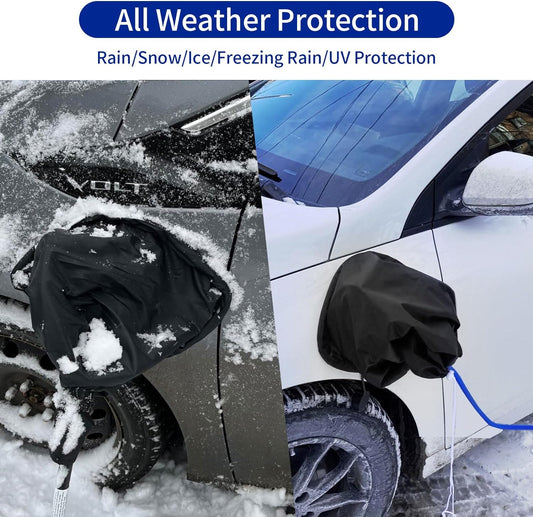


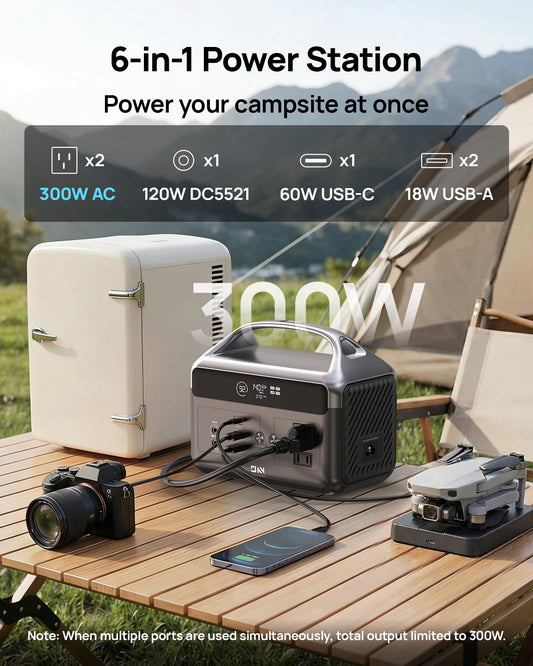


Power & Electrical gathers the gear that keeps a campsite, a tailgate or a house running when there is no outlet: portable power stations with LiFePO4 batteries from pocket-sized units to models with solar panel bundles, solar power banks, pure sine wave 12-volt inverters with USB-C and AC outlets, prewired RV electrical outlet panels with breakers, and EV charger port covers. These are not vehicle specific; they are picked for truck campers, overlanders, RV owners, CPAP users and anyone who wants a quiet backup for a storm.
Spec sheets on power gear are easy to misread, so OMOTOR lists continuous output, surge output, watt-hour capacity and port counts in plain numbers on each product. Shipping within the US is free from our US warehouse, you have 90 days to return a unit, and a one-year warranty covers batteries and electronics. If you want help matching capacity to a fridge or a medical device, our US-based team will walk through the math with you.
What to look for
- Capacity versus output: watt-hours tell you how long a device runs; watts tell you what it can run at all. Add up the running watts of everything you will plug in, then leave headroom for surge when a compressor or pump starts.
- Battery chemistry: LiFePO4 cells handle more charge cycles and stay cooler than older lithium-ion packs, which matters if the unit lives in a hot truck bed.
- Ports: count the AC outlets, USB-C ports and 12-volt sockets you actually need, and check for a solar input if you plan to recharge off-grid.
- RV panels and inverters: match the amp rating of an outlet panel to your shore power (20, 30 or 50 amp) and size an inverter to the battery bank feeding it, not just to the devices plugged in.
Shop related
Frequently asked questions
How do I size a power station for a weekend trip?
Add the watt-hours each device uses per day (watts multiplied by hours), total them, and choose a station with at least 20 percent more capacity than that total, since inverters lose some energy. Then confirm the continuous output rating is above your largest single load.
Can I recharge a power station from my truck while driving?
Yes, through the 12-volt socket, although that is the slowest method. A solar panel at camp or a wall outlet at home is faster. Each listing shows the input methods and the approximate recharge time for each, so compare those if charging on the road matters to you.
Will one of these run a CPAP overnight?
Most mid-size units will, provided you turn off the heated humidifier, which can triple the draw. Check your machine's rated watts, multiply by eight hours and compare with the station's watt-hour capacity. The product page lists capacity so you can do that math before buying.